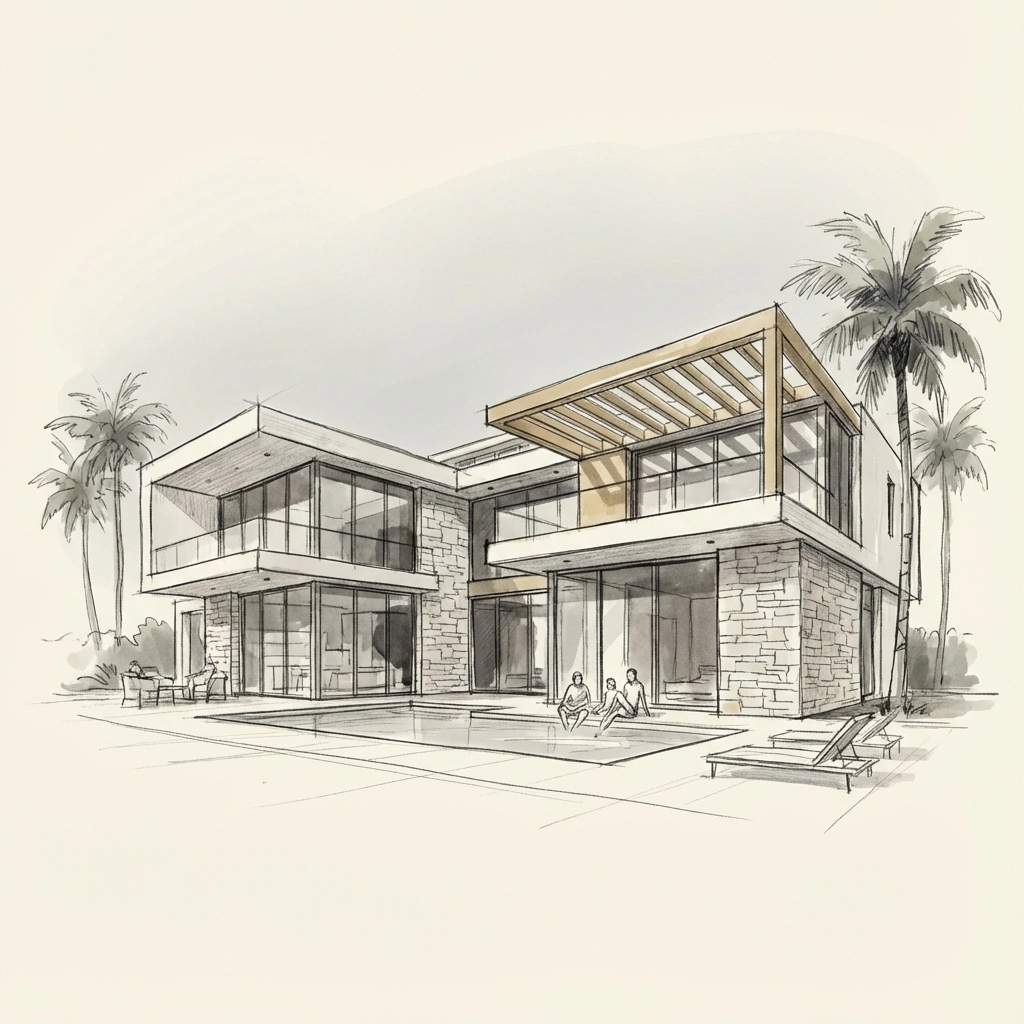

If you’re commissioning a luxury custom home, you’re likely investing millions into what should be the pinnacle of craftsmanship and materials. Yet a troubling reality persists in high-end construction: material costs can be inflated by 40-60% over actual value, and substitutions happen more often than most homeowners realize.
The difference between paying fair value and being overcharged often comes down to one critical factor: your ability to verify what’s actually going into your home. This comprehensive guide will show you exactly how to protect your investment and ensure every dollar translates into real value.
Why Material Verification Matters More Than Ever
Custom home material costs have become increasingly opaque. Unlike production homes where materials are standardized and costs predictable, luxury custom builds often involve:
- Specialty materials with limited pricing transparency
- Complex supply chains that obscure true costs
- Markup structures that can double or triple material expenses
- Substitution opportunities where cheaper alternatives get installed
A recent analysis of luxury home builds in South Florida revealed that material invoicing discrepancies accounted for an average of $400,000 in unnecessary costs per $3M project. For clients investing $5M or more, these gaps can reach seven figures.

The Pre-Construction Foundation: Material Specifications and Pricing
Your material verification strategy begins long before ground is broken. The pre-construction phase offers your strongest leverage for cost control and quality assurance.
Detailed Material Specifications
Demand itemized specifications that go beyond generic descriptions. Instead of “premium Italian marble countertops,” require specific details:
- Exact stone type and grade (Carrara Statuario, First Choice selection)
- Thickness specifications (3cm vs 2cm)
- Finish details (honed vs polished)
- Waste factors and installation requirements
Independent Cost Verification
Before signing contracts, engage an independent quantity surveyor or cost consultant to review material specifications and pricing. They can:
- Benchmark costs against current market rates
- Identify items with excessive markup
- Suggest equivalent alternatives that maintain quality while reducing costs
- Review allowances for reasonableness
Professional cost verification varies project to project for a luxury home but can identify savings of $200,000-$500,000.

During Construction: Active Material Monitoring
Once construction begins, your verification strategy shifts from analysis to active monitoring. This phase requires systematic oversight of material deliveries, quality, and installation.
Material Delivery Verification
Establish protocols for all material deliveries:
Documentation Requirements:
- Delivery receipts with detailed descriptions
- Photographs of materials before installation
- Manufacturer labels and certification documents
- Quantity verification against specifications
Quality Control Checkpoints:
- Visual inspection for damage or defects
- Verification of grades and specifications
- Confirmation of manufacturer warranties
- Chain of custody documentation for high-value items
Installation Monitoring
Even the finest materials lose value through poor installation. Key monitoring points include:
- Waste tracking: Excessive waste often indicates poor planning or material quality issues
- Storage protocols: Improper storage can damage materials and necessitate replacement
- Installation sequence: Verify materials are installed according to manufacturer specifications
- Quality standards: Document any deviations from specified installation methods
Red Flags: Warning Signs of Material Issues
Experience has shown certain patterns that consistently indicate material problems. Watch for these warning signs:
Financial Red Flags
Vague Line Items: Material descriptions like “premium fixtures” or “upgraded finishes” without specific details often hide inflated pricing.
Excessive Change Orders: While some changes are inevitable, frequent material-related change orders may indicate poor initial planning or opportunistic pricing.
Cash Requests: Any request for cash payments for materials should be questioned. Legitimate material purchases create paper trails.
Rapid Price Escalation: While material costs do fluctuate, sudden significant increases mid-project often indicate markup manipulation.
Quality Red Flags
Missing Certifications: High-end materials should come with manufacturer certifications, warranties, and installation guidelines.
Packaging Discrepancies: Materials arriving in generic packaging or without proper labeling may be substitutions.
Installation Resistance: If installers seem unfamiliar with materials or resist following manufacturer guidelines, quality may be compromised.

Professional Oversight: When to Engage Construction Advisors
For investments exceeding $3M, professional construction oversight becomes essential rather than optional. Independent construction advisors provide systematic verification that goes beyond what busy homeowners can manage themselves.
Owner’s Representative Services
A qualified owner’s representative serves as your advocate throughout the construction process, providing:
Pre-Construction Value:
- Contract review and negotiation
- Material specification verification
- Cost benchmarking and analysis
- Risk assessment and mitigation strategies
Construction Phase Oversight:
- Regular site inspections and progress monitoring
- Material delivery verification
- Quality control documentation
- Change order review and approval recommendations
Third-Party Inspection Services
Independent inspections at key milestones provide objective verification of material quality and installation standards. Critical inspection points include:
- Foundation and framing: Verifying structural materials meet specifications
- MEP rough-in: Confirming electrical, plumbing, and HVAC materials are installed correctly
- Finishes installation: Documenting quality and specifications of finish materials
- Final walkthrough: Comprehensive verification before acceptance
Technology Tools for Material Verification
Modern construction benefits from technology solutions that enhance material tracking and verification:
Digital Documentation Platforms
Cloud-based platforms enable real-time documentation of:
- Material delivery photographs and specifications
- Installation progress and quality documentation
- Change order tracking and approval workflows
- Communication logs between all parties
Cost Tracking Applications
Specialized software can monitor material costs throughout construction, providing alerts when:
- Invoices exceed budgeted amounts
- Change orders impact overall project costs
- Material price escalations occur
- Payment schedules deviate from agreements

Financial Protection Strategies
Beyond verification, implement financial structures that protect against material cost overruns:
Escrow and Payment Structures
Properly structured payment schedules tie material payments to verified delivery and installation:
- Materials-based payments: Link payments directly to verified material delivery
- Performance milestones: Structure payments around completed installation phases
- Retention schedules: Hold back percentage of payments until final verification
Cost-Plus vs. Fixed-Price Considerations
Each contract structure offers different verification opportunities:
Cost-Plus Contracts:
- Require open-book accounting for all material purchases
- Implement maximum markup limits
- Demand invoice backup for all material costs
Fixed-Price Contracts:
- Include detailed material specifications in contract language
- Establish quality standards and verification procedures
- Define change order processes clearly
Working With Maison Custom Home Advisors
Material verification requires expertise that most homeowners don’t possess. At Maison Custom Home Advisors, we provide comprehensive construction oversight that includes systematic material verification throughout your project.
Our services include:
- Pre-construction cost analysis to establish fair material pricing benchmarks
- Specification review to ensure materials meet your quality and performance requirements
- Ongoing construction oversight with regular material delivery and installation verification
- Change order analysis to protect against inflated material costs
- Final verification to confirm all materials meet contracted specifications

Protecting Your Investment
Building a luxury custom home represents one of your largest investments. Material verification isn’t about being overly suspicious: it’s about ensuring your investment delivers the value you expect.
The cost of professional oversight typically represents 1-3% of total construction costs but can identify savings and prevent problems worth 10-15% of project value. For a $5M home, this protection can save you hundreds of thousands while ensuring the quality you’re paying for.
The key is implementing verification strategies from day one and maintaining consistent oversight throughout construction. Your dream home deserves materials that match your vision and budget.
Ready to protect your custom home investment with professional construction oversight? Contact Maison Custom Home Advisors today to discuss how we can ensure you receive full value for every dollar invested in your luxury custom home.