Change Orders and Version Control in Custom Home Builds

Changes are inevitable, but how they’re tracked determines cost and clarity. Poor change orders and version control systems turn reasonable modifications into billing disputes and construction confusion. The difference between a well-managed change process and chaos comes down to documentation discipline that most builders resist because ambiguity benefits them, not you.
Every custom home involves changes. You see the space taking shape and realize modifications that improve the design. Structural conditions emerge requiring adjustments. Product availability forces substitutions. These aren’t problems if handled systematically. They become expensive nightmares when tracked carelessly or not at all.
Builders who profit from confusion avoid rigorous change tracking. They prefer verbal approvals, handshake agreements, and memories that somehow always favor their version of events when billing disputes arise. Your protection lies in demanding documentation standards before confusion becomes costly.
How Change Orders and Version Control Prevent Disputes
Multiple change tracking systems guarantee conflicts. When the superintendent keeps notes, the project manager maintains spreadsheets, and the builder tracks something different in their accounting system, nobody has authoritative records when disputes arise.

Insist on a single master change log that both parties access and update. This document should list every modification chronologically with change order numbers, descriptions, pricing, approval dates, and current status. Both you and the builder should reference this same log, not maintain separate records that inevitably diverge.
The log format matters less than consistent use. Simple spreadsheets work fine if everyone commits to updating them promptly. Fancy project management software fails if builders ignore it and revert to verbal agreements tracked nowhere.
Each change needs a unique identifier. Change Order 001, 002, 003 creates clear references everyone understands. Vague descriptions like “tile modification” or “electrical adjustment” without numbers or dates create confusion when you’re trying to reconcile billing months later.
Request sample change order forms before construction begins to see what documentation standards your builder uses. Quality forms include spaces for detailed descriptions, itemized pricing breakdowns, both parties’ signatures, dates, and change order numbers. If the builder has no standard form or uses informal note-taking instead, that’s a significant warning sign.
Also document rejected changes. If you consider modifications but decide against them, note that decision. This prevents builders from claiming verbal approvals for work you explicitly rejected. The log should show both accepted and declined changes with dates and reasons.
Sign Pricing Before Work Begins
Never allow work to proceed on unsigned change orders. This seems obvious but happens constantly. You discuss a modification. The builder says they’ll price it. Work begins before you see numbers. Then you receive a bill that seems unreasonable but the work is done and you have no recourse.

Demand pricing before any change work starts. If the builder claims they need to start immediately to avoid delays, get a not-to-exceed amount in writing first. This protects you from discovering that the “small modification” you discussed costs five figures.
Also verify what’s included in change order pricing. Does the price cover just materials and labor, or does it include markup, overhead, and profit? Some builders apply their full markup percentage to changes while others use reduced rates. Clarify this before signing, not after receiving bills.
Watch for change orders that seem disproportionately expensive relative to the actual work involved. A builder quoting $8,000 to move three electrical outlets probably isn’t pricing fairly. Get itemized breakdowns showing labor hours, material costs, and markup calculations. Transparency reveals whether pricing is legitimate or inflated.
Timing matters for change order pricing. Early modifications typically cost less than late changes because they don’t require rework of completed installations. A wall moved during framing costs dramatically less than the same wall moved after drywall, tile, and finishes are installed. Use this reality to your advantage by finalizing decisions early.
Confirm how changes are numbered, approved, and logged in the builder’s system. Understanding the workflow prevents confusion about what’s official versus what’s under discussion. Ask who has authority to approve changes on your behalf. If you have a representative or project manager, clarify their approval limits.
Review Preliminary Plans Carefully
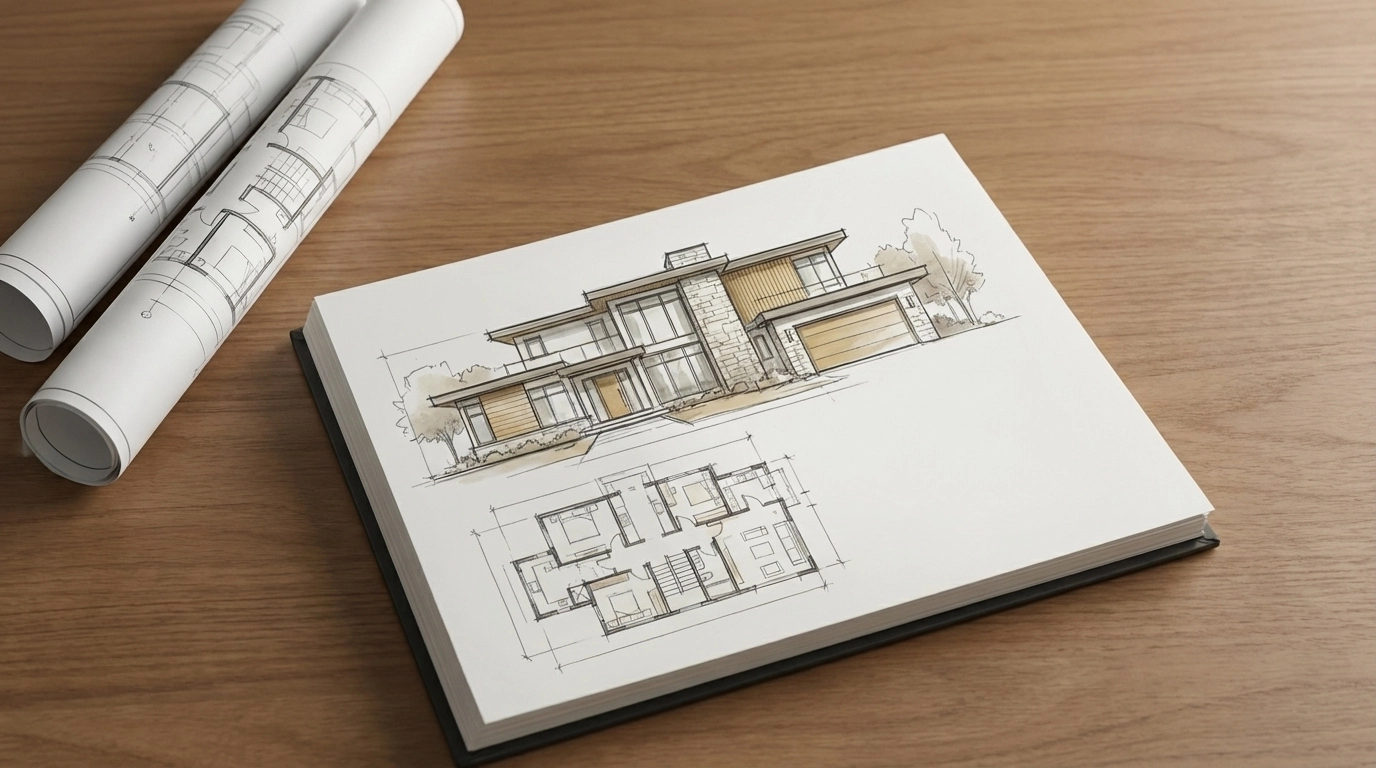
Your approvals of preliminary plans become binding references later. Builders reasonably expect that plans you signed off on represent your intent. Claiming you didn’t notice details or didn’t understand drawings provides weak defense when disputes arise about what was agreed upon.
Take time reviewing plans at each stage. Don’t rush through approval meetings because you’re busy. Bring questions. Mark areas of concern. Request clarifications before signing. The investment of time during plan review prevents exponentially larger time investments resolving disputes during construction.
Pay particular attention to dimensions, door swings, window locations, and built-in placements. These elements often appear clear on plans but reveal problems when you see them built. If something looks questionable on paper, it will definitely look wrong in reality. Address concerns during plan review, not after construction.
Also verify that plan revisions incorporate previous change approvals. Sometimes modifications get discussed and agreed upon but don’t appear in updated drawing sets. This creates situations where builders reference old plans showing original intent while you reference conversations about approved changes. Ensure plans reflect all agreed modifications before signing.
Ask if all versions of plans are digitally archived for reference. Plan version control becomes critical when changes accumulate throughout construction. You need access to the current approved set plus historical versions showing evolution. This protects both parties by establishing exactly what was agreed upon at each stage.
Digital archives should include timestamps and version numbers. Plans labeled “Revision A,” “Revision B,” etc., with dates create clear lineage. Ambiguous labeling like “latest” or “updated plans” without version control creates confusion about which set represents current approvals.
Provide Clear Hand Markups on Printed Drawings
When requesting changes, mark them directly on printed plans. Draw arrows, write notes, highlight areas of concern. These physical markups create clear records of exactly what you’re requesting and eliminate ambiguity about intent.

Digital markups work too, but ensure both parties can clearly see notations. PDF comments sometimes display differently across devices or get lost when files are printed. Physical markups on paper plans provide universal clarity that anyone on the construction site can understand.
Be specific with markups. Instead of noting “move outlet,” write “move outlet 18 inches left to clear cabinet edge.” Precision prevents misinterpretation and ensures the change accomplishes your intent. Vague instructions create situations where builders make assumptions you didn’t intend.
Photograph your marked-up plans before submitting them to builders. This gives you backup documentation if plans get lost or if disputes arise about what was requested. The photos also timestamp your requests, establishing clear timelines for when changes were communicated.
Confirm that archived plans include your markup notations, not just clean revised drawings. The markups document your intent and instructions in ways that cleaned-up plans might not fully capture. This detailed record proves invaluable when questions arise months later about why certain approaches were chosen.
Managing Change Orders and Version Control Throughout Construction
The systems you establish upfront determine whether change management becomes straightforward administration or a constant source of conflict. Builders resisting documentation standards reveal their intentions. Professional operations welcome clear tracking because it protects everyone involved.
Those who prefer informal processes and verbal agreements want flexibility to reinterpret events when billing arrives. Your leverage comes from insisting on documentation discipline from day one. Establish the single master change log. Demand pricing before work proceeds. Review plans carefully and mark them clearly.
These practices transform change management from a source of conflict into a straightforward administrative process that keeps your build on track. The discipline required to maintain rigorous documentation feels burdensome initially but proves invaluable when questions arise about what was agreed upon and what it should cost.
Also recognize that maintaining good records protects builders too. When disputes arise with subcontractors or suppliers, clear documentation establishes facts that benefit everyone. Builders who resist documentation either lack organizational discipline or prefer ambiguity that favors their interpretation of events.
Final Thoughts
Change orders and version control systems either protect your interests or expose you to disputes and overcharges. The difference lies entirely in documentation standards you demand from the beginning.
Professional builders maintain these systems naturally because they understand that clear records prevent conflicts and streamline billing. Those operating more casually create conditions where memory conflicts and billing disputes become inevitable.
Your protection comes from recognizing that informal change management always favors builders. They’re on site daily. They control records. They prepare invoices. Without rigorous documentation accessible to both parties, you’re trusting that their version of events will align with yours when billing arrives.
Don’t accept assurances that documentation isn’t necessary because you trust each other. Trust works fine until memories diverge about what was discussed six months ago. Documentation isn’t about distrust. It’s about creating shared records that eliminate ambiguity for everyone’s benefit.
Frequently Asked Questions
Why are change orders and version control important in custom home construction?
Change orders and version control create authoritative records of what modifications were requested, approved, and priced. Without rigorous tracking, disputes arise about what was agreed upon and what changes should cost. Clear documentation protects both parties by establishing timelines, approvals, and pricing before work proceeds, eliminating confusion and preventing billing disputes.
What should a change order include?
Every change order should include a unique identifying number, detailed work description, itemized pricing breakdown showing materials and labor, markup calculations, both parties’ signatures, approval date, and impact on schedule if applicable. The change should also reference the master change log where it’s tracked chronologically with all other modifications.
Should I approve changes before seeing final pricing?
Never approve work before seeing and agreeing to pricing. Builders sometimes pressure quick approvals claiming schedule urgency, but proceeding without signed pricing leaves you exposed to unreasonable bills after work completes. Demand pricing first or, if truly urgent, get a not-to-exceed amount in writing before any work begins.
How do I track plan revisions throughout construction?
Maintain digital archives of all plan versions with timestamps and revision numbers. Each revised set should be clearly labeled with dates. Archive both clean revised drawings and versions with your markup notations, as markups document your intent. Verify with your builder that both parties reference the same current approved set.
What happens if change order records don’t match billing?
Discrepancies between change order records and billing indicate poor documentation or deliberate overcharging. This is why maintaining a single master change log both parties update is critical. If disputes arise, your signed change orders with agreed pricing provide legal protection. Without documentation, resolving conflicts becomes expensive and difficult.