The Final Binder: Essential Custom Home Documentation

Your documentation is your home’s blueprint for the future. And often your responsibility if you want it done properly. The final binder represents the comprehensive record of everything built, selected, modified, and warranted in your custom home. Without it, you’re operating blind when repairs, renovations, or routine maintenance become necessary years after construction ends.
Most builders provide minimal closeout documentation. A set of plans. Maybe some product manuals. Rarely the comprehensive records needed to truly maintain and modify your home properly. They’ve moved on to the next project. Your long-term maintenance needs aren’t their concern unless warranty claims force renewed engagement.
Creating a proper final binder falls largely on you. The information exists scattered across emails, invoices, change orders, and site photos. Organizing it into accessible reference material requires discipline during construction when you’re focused on more immediate concerns. However, this investment pays dividends every time you need to identify paint colors, locate utility lines, or source matching materials for repairs.
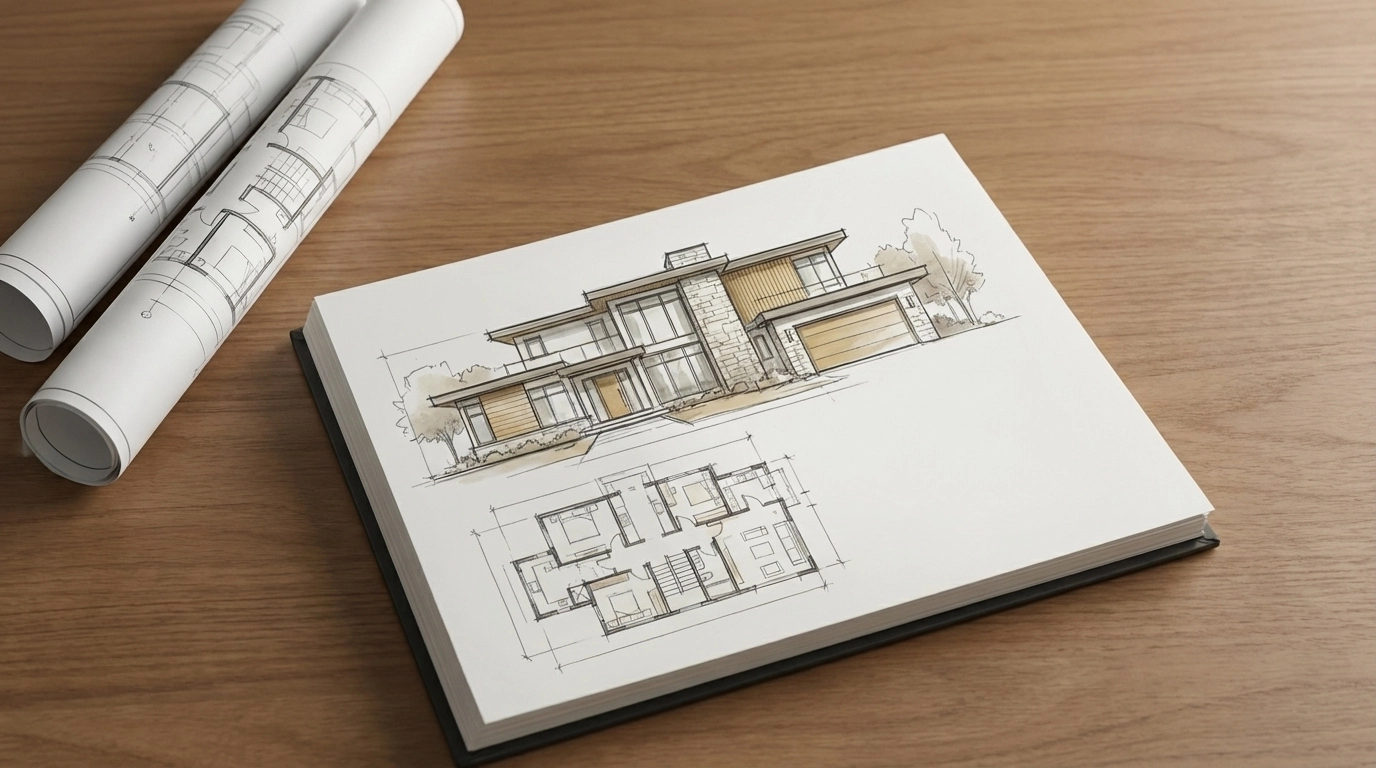
Final Set of Architectural Plans
The architectural plans in your final binder should reflect actual construction, not just original design intent. Countless modifications occur during building. Change orders adjust layouts. Field conditions require adaptations. Product substitutions alter details. None of these changes matter if your plans still show original specifications that don’t match reality.
Request as-built drawings showing actual construction including all approved changes. These drawings document where utilities actually run, how structural elements were modified, and what products were ultimately installed. Generic original plans tell you what was supposed to happen, not what actually occurred.

Pay particular attention to documenting concealed elements. Plumbing lines, electrical wiring, HVAC ductwork, and structural reinforcement all get buried behind finished surfaces. Knowing their precise locations prevents catastrophic mistakes when you’re hanging heavy artwork, installing shelving, or planning future renovations.
Also maintain all plan revisions with version numbers and dates. Understanding how design evolved helps explain why certain decisions were made and provides context when questions arise about unusual details or non-standard approaches.
For South Florida homes, documentation of waterproofing systems, hurricane protection details, and flood elevation compliance becomes particularly important. Future modifications must maintain these critical protections. Plans showing exactly how these systems were installed guide proper maintenance and renovation work.
Final Selections and Invoices
Comprehensive records of actual selections installed prevent frustration when matching materials becomes necessary years later. You remember selecting “white marble countertops” but that description encompasses hundreds of variations. Which quarry? What finish? Which edge profile?
Your final binder should include detailed selection lists specifying manufacturer names, product lines, model numbers, colors, and finish codes for every material in your home. Flooring, tile, stone, cabinetry, hardware, plumbing fixtures, lighting, appliances, and exterior materials all need this level of documentation.
Invoices supplement selection lists by providing supplier contacts, order dates, and pricing information. This helps when sourcing replacement materials or planning additions that should match existing finishes. Knowing which suppliers originally provided materials often leads to finding remaining inventory or current equivalent products.
Also document any custom fabrication work. Millwork details, specialty metalwork, custom furniture, and unique architectural elements often come from small fabricators who may not remain in business years later. Detailed specifications, shop drawings, and fabricator contacts preserve your ability to replicate or repair these elements.
Paint colors deserve special attention. Most homeowners think they’ll remember paint selections but details fade quickly. Document exact manufacturer names, product lines, color names, and finish sheens for every painted surface. Also note where specific colors were used since homes typically involve multiple paint selections across different rooms and surfaces.
Finish codes for stains, specialized coatings, and treatments should be recorded with equal precision. “Medium walnut stain” means nothing without manufacturer and product specification. These details become critical when repairs require matching existing finishes exactly.
Product Manuals and Warranty Documentation
Collect and organize all product manuals, warranty cards, and technical documentation for systems and appliances installed in your home. HVAC equipment, water heaters, appliances, smart home systems, security equipment, and specialty installations all include documentation that you’ll need for maintenance, troubleshooting, and warranty claims.

Ensure warranty cards are registered properly. Many manufacturers won’t honor warranties for unregistered products. Registration often requires acting within specific timeframes after installation. Missing these windows eliminates valuable coverage.
Also maintain documentation showing warranty start dates and coverage periods. Different components have different warranty lengths. Appliances might cover one year while HVAC equipment warranties extend five years or more. Knowing exactly when coverage expires helps you plan for repairs or replacements.
Technical specifications for major systems prove invaluable when repairs become necessary. HVAC documentation showing equipment capacities, refrigerant types, and electrical requirements helps technicians service systems properly. Water heater specs guide proper replacement selection. Knowing these details prevents installing incorrect replacements that underperform or fail prematurely.
For smart home systems, document all programming details, access credentials, and integration information. These systems become incomprehensible black boxes when installers leave without proper documentation. Understanding how systems were configured enables you to modify settings or troubleshoot problems without requiring professional service calls for simple issues.
Contact List for Vendors and Subcontractors
Maintaining comprehensive contact information for everyone who worked on your home provides valuable resources when repairs, modifications, or questions arise. The tile installer knows exactly how your floors were prepared and set. The electrician understands your panel configuration and circuit routing. The painter knows which products and techniques were used.
Your contact list should include company names, individual technician names if known, phone numbers, email addresses, and specialties. Note which subcontractors handled specific work areas. This detailed information helps you reach the right people when specialized knowledge becomes necessary.
Also document relationships between different trades and systems. Knowing which HVAC contractor installed your equipment matters less than knowing which local company services that specific brand and has relationships with the manufacturer. These details emerge during construction through conversations that seem trivial at the time but prove valuable later.
Keep this information current by verifying contacts periodically. Small contractors go out of business, change company names, or retire. Updating your records every few years maintains their usefulness when you actually need them.
Ensuring Financial Documentation Completeness
Confirm all change orders and credits are reflected in the final accounting before closing out your construction contract. Review the complete payment history against your master change log, allowance reconciliation, and contract terms. Discrepancies discovered after final payment become nearly impossible to resolve.
Pay particular attention to allowance overages and credits. If you came in under allowance on some categories, verify those savings credited to your account rather than being retained by the builder. Similarly, confirm that allowance overages are calculated correctly and that markups applied to overages match agreed-upon terms.
Change order accounting deserves careful scrutiny. Every approved change should appear in final accounting with correct pricing. Also verify that rejected changes don’t somehow appear in final billing. Builders occasionally include proposed work that was discussed but never approved, hoping busy owners won’t catch billing errors during closeout.
Request complete documentation showing payment draw history, lien releases from all subcontractors and suppliers, and final sworn statements establishing that everyone was paid. These documents protect you from mechanics liens filed after you’ve made final payment to the builder.
Creating and Maintaining Your Final Binder
Physical organization matters for documentation you’ll reference periodically over decades. Three-ring binders with clear sheet protectors work well for paper documents. Organized digital files supplement physical records and provide backup if original binders get damaged or lost.

Divide your final binder into logical sections: architectural plans, mechanical and electrical documentation, selections and finishes, warranties and manuals, vendor contacts, financial records, and maintenance logs. Tab separators make finding specific information quick rather than requiring searching through hundreds of pages.
Also create a summary sheet listing key information like paint colors by room, primary finish selections, utility shutoff locations, and important contacts. This quick-reference page provides answers to common questions without digging through comprehensive documentation.
Update your final binder as changes occur. Renovations, repairs, and system replacements all generate new information that should be integrated into existing documentation. This ongoing maintenance keeps records current and useful rather than becoming historical artifacts that don’t reflect current conditions.
Final Thoughts
The final binder represents your protection against the information loss that inevitably occurs after construction ends. Builder teams dissolve, move to new projects, or leave the industry entirely. Subcontractors forget details about work completed years ago. Product information becomes difficult to locate when manufacturers update websites or discontinue lines.
Your comprehensive documentation preserves institutional knowledge about your specific home that exists nowhere else. This information affects resale value, insurance coverage, renovation planning, and routine maintenance costs. Buyers appreciate detailed records. Insurance companies may offer better rates when you can document quality construction and proper maintenance.
Creating proper documentation requires discipline during construction when immediate concerns compete for attention. However, this investment prevents the frustration and expense of operating blind when repairs or modifications become necessary. Every dollar spent organizing information during construction saves multiples later when that documentation prevents expensive mistakes or enables cost-effective maintenance.
Professional approach to documentation also signals to future buyers that your home was maintained thoughtfully and systematically. The final binder becomes tangible evidence of quality ownership that adds value beyond the documentation itself.
Frequently Asked Questions
What should be included in the final binder for a custom home?
The final binder should include as-built architectural plans showing actual construction, comprehensive selection lists with manufacturer details and model numbers, all product manuals and warranty documentation, paint colors and finish codes, complete vendor and subcontractor contact information, financial records showing final accounting with all change orders, and maintenance logs. This comprehensive documentation enables proper maintenance and future modifications.
Why are as-built plans important versus original architectural drawings?
As-built plans reflect actual construction including all approved changes, product substitutions, and field modifications. Original plans show design intent but don’t document the countless adjustments that occur during building. As-built documentation shows where utilities actually run, how structural elements were modified, and what products were ultimately installed: critical information for repairs and renovations.
How do I organize final binder documentation effectively?
Use three-ring binders with clear sheet protectors divided into logical sections: plans, mechanical/electrical documentation, selections and finishes, warranties and manuals, vendor contacts, financial records, and maintenance logs. Create a quick-reference summary sheet with key information like paint colors by room and utility shutoff locations. Supplement physical binders with organized digital files for backup.
Should I verify final accounting before making last payment?
Yes. Review complete payment history against your master change log, allowance reconciliation, and contract terms before final payment. Confirm all change orders and credits are reflected correctly, verify allowance calculations, and ensure rejected changes don’t appear in billing. Request lien releases from all subcontractors and suppliers. Discrepancies become nearly impossible to resolve after final payment.