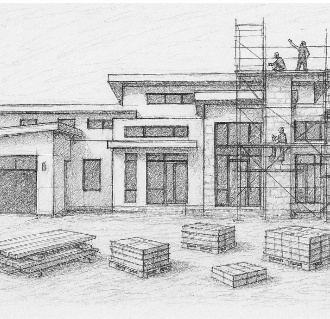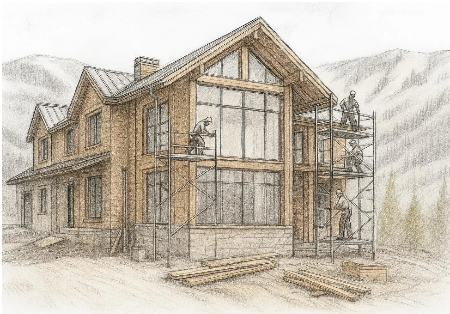
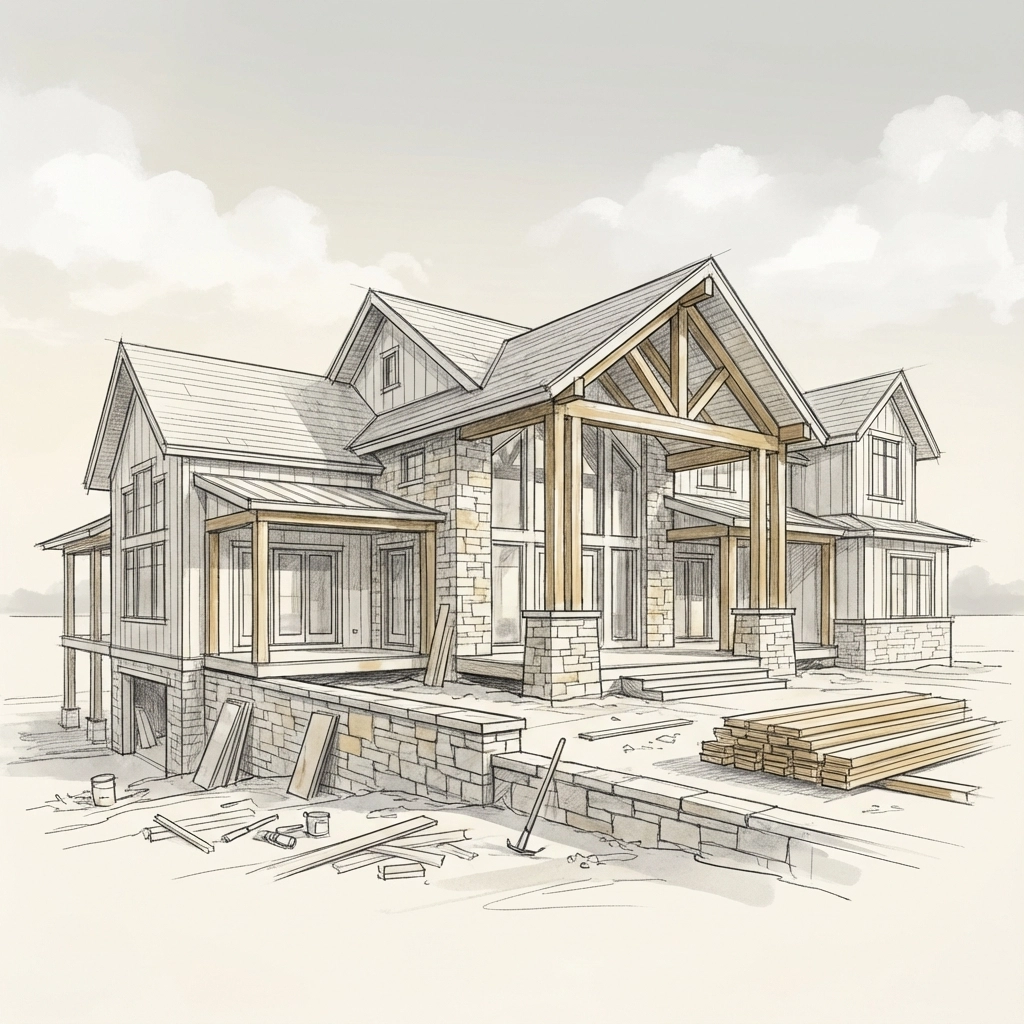
When your builder walks off the job halfway through your multi million dollar custom home, panic sets in fast. The foundation is poured, framing is half-complete, and suddenly no one’s answering phones. Your dream home has become a construction nightmare, and you’re staring at an unfinished shell with hundreds of thousands already invested.
Builder abandonment happens more often than most luxury homeowners realize, especially in volatile markets. Whether it’s financial troubles, contractor disputes, or simply taking on too many projects, the result is the same: you’re left holding the bag on an incomplete build.
The good news? With the right immediate actions, you can protect your investment and get your project back on track. Here’s exactly what to do when your builder disappears.
Secure Your Construction Site Immediately
If your builder walks off your first priority is protecting the physical property and materials already on-site. An abandoned construction site becomes a liability and target for theft within days.
Change all locks and access codes immediately. Most builders have keys, alarm codes, and gate access. Assume they still have copies even if they’ve “returned” keys. Install temporary fencing around the perimeter if none exists, and post no trespassing signs clearly.
Document everything with photos and video. Walk the entire site, recording the current state of construction, materials on-site, and any obvious problems. This documentation becomes crucial for insurance claims, legal disputes, and briefing your replacement contractor. Focus especially on any safety hazards or exposed systems that could deteriorate.
Arrange immediate weather protection for exposed areas. South Florida’s humidity and sudden storms can cause thousands in damage to unprotected framing, electrical, and plumbing systems within weeks. Temporary roofing, plastic sheeting, and dehumidification may be necessary to prevent mold and water damage that could compromise the entire structure.
Contact your insurance company within 24-48 hours. Most homeowner’s policies have specific notification requirements for construction-related claims. Some coverage extends to builder abandonment situations, while other policies specifically exclude it. Understanding your coverage immediately affects your next decisions.

Review All Contracts and Financial Arrangements
Pull every document related to your construction project and organize them immediately. You’ll need the original construction contract, all change orders, payment schedules, lien waivers, and correspondence with the builder.
Focus first on the termination clauses in your construction contract. Most contracts specify conditions under which either party can terminate the agreement, required notice periods, and how final payments are calculated. Understanding these terms determines whether the builder’s departure constitutes breach of contract or falls within their contractual rights.
Examine your payment history against work completed. Calculate exactly how much you’ve paid versus the value of work actually in place. This analysis helps determine if you’ve overpaid and by how much. Many homeowners discover they’ve paid for materials not yet delivered or work not yet performed.
Review all lien waivers and subcontractor payment records. If your builder hasn’t been paying subs and suppliers, you could face mechanic’s liens even though you’ve paid the general contractor. Conditional lien waivers become worthless when the builder defaults, potentially exposing you to double payment.
Check if your contract required the builder to carry a performance bond. These bonds, while uncommon in custom residential work, provide financial protection against contractor default. If a bond exists, contact the bonding company immediately to start a claim.
Engage Legal Counsel Specializing in Construction Law
Don’t attempt to navigate builder abandonment alone. Construction law involves complex mechanics’ lien procedures, contract interpretation, and potential criminal fraud issues that require specialized expertise.
Choose an attorney with specific experience in construction defect and abandonment cases, preferably in South Florida. General business attorneys often lack the technical knowledge needed for construction disputes. Look for lawyers who regularly handle mechanic’s lien foreclosures, contractor licensing issues, and construction defect litigation.
Bring all contracts, payment records, and site documentation to your initial consultation. The attorney needs to understand exactly what work was contracted for, what’s been completed, how much you’ve paid, and what the current site conditions reveal about quality and progress.
Discuss immediate legal protections like filing lis pendens (notice of pending lawsuit) against the contractor’s assets, pursuing mechanic’s liens if you’re owed money or damages, and stopping payment on any outstanding checks or pending wire transfers.
Your attorney should also evaluate whether criminal charges might be appropriate. If the builder collected payment for work never performed, diverted funds meant for your project to other jobs, or misrepresented their financial condition, criminal fraud may have occurred.
Work with Your Lender on Construction Financing
If you’re using a construction loan, contact your lender immediately. Builder abandonment often triggers default provisions in construction financing agreements, potentially accelerating the entire loan balance.
Review your construction loan agreement for builder substitution procedures. Some lenders have pre-approved lists of replacement contractors, while others require full re-underwriting with a new builder. Understanding these requirements helps you choose an appropriate replacement contractor.
Discuss inspection and disbursement procedures going forward. Your lender’s inspector needs to verify current work status and may require independent cost-to-complete estimates before approving draws to a new contractor. This process can add weeks to restarting construction.
Request a formal cost-to-complete analysis from your lender’s inspector or an independent quantity surveyor. This analysis helps determine if your remaining loan proceeds are sufficient to complete the project, or if additional financing will be needed.
Consider whether loan modification might be necessary. Builder abandonment often reveals budget shortfalls, change order disputes, or quality issues requiring expensive correction. Your lender may need to modify loan terms, increase the loan amount, or adjust the completion timeline.

Alt text: builder left the job homeowner meeting replacement contractor
Vet Replacement Contractors Carefully
Finding a qualified replacement contractor willing to complete another builder’s work requires extra diligence. Most builders prefer starting fresh rather than inheriting someone else’s problems and potential warranty obligations.
Look for contractors with specific experience completing abandoned projects. These builders understand the unique challenges of evaluating existing work quality, correcting defects, and working with existing supplier relationships. They’re also more realistic about pricing and timeline for completion.
Require detailed evaluation periods before signing new contracts. Quality replacement contractors will want 1-2 weeks to thoroughly assess existing work, identify problems, and prepare accurate completion costs. Be suspicious of contractors who provide quick estimates without detailed investigation.
Insist on independent structural and systems inspections before proceeding. The replacement contractor’s evaluation focuses on completion costs, not necessarily underlying quality issues. Independent inspectors can identify foundation, framing, electrical, or plumbing problems that need correction before work proceeds.
Negotiate warranty responsibilities carefully. Determine what work the replacement contractor will warranty versus what remains the original builder’s responsibility (which may be worthless). Consider third-party warranty programs that can provide coverage for the entire project regardless of which contractor performed specific work.
Communicate with Subcontractors and Suppliers
Your original builder’s subcontractors and suppliers become important allies or potential problems depending on their payment status and willingness to continue working.
Contact all subs and suppliers to determine payment status and outstanding obligations. Unpaid parties may file mechanic’s liens against your property even if you’ve paid the general contractor. Understanding these exposures helps prioritize which relationships to preserve or resolve.
Evaluate which trade relationships are worth preserving. Subs who’ve done quality work and have been paid fairly may be willing to work directly with your replacement contractor or with you. Those who’ve been stiffed or had quality disputes may not be viable options going forward.
Document all conversations with subs and suppliers in writing. These discussions often reveal important information about your original builder’s practices, quality shortcuts, or financial problems that affect your project. This information helps your attorney evaluate potential claims and helps your replacement contractor understand what they’re inheriting.
Consider direct payments to critical suppliers for materials already on-site or in production. If your builder ordered custom millwork, cabinetry, or other specialty items, you may need to pay suppliers directly to release these materials to your project. Just ensure you get proper lien waivers for any direct payments.

Alt text: builder left the job construction materials protection site
Plan for Additional Costs and Delays
Builder abandonment inevitably increases your total project cost and timeline, even in the best-case scenarios. Planning for these impacts helps set realistic expectations and avoid further budget crises.
Budget for correction of defective work completed by the original builder. Replacement contractors often uncover quality shortcuts, code violations, or installation errors that must be corrected before proceeding. These corrections rarely fall within your original budget allowances.
Plan for material cost increases and availability delays. Construction material prices often change during project delays, and custom items may need to be reordered entirely if the original builder didn’t pay suppliers. Current material shortages can extend delays by months for some specialty items.
Consider carrying costs during project delays. Construction loan interest, temporary housing, storage costs, and other expenses continue accumulating while your project sits idle. Factor these costs into your decisions about proceeding versus cutting losses.
Evaluate scope reductions if budget becomes tight. Builder abandonment often reveals that your original budget was insufficient or unrealistic. Consider reducing project scope, eliminating expensive upgrade selections, or phasing construction to complete the project within available funds.
Moving Forward with Confidence
Builder abandonment feels devastating when you’re in the middle of it, but most luxury homeowners successfully complete their projects with proper guidance. The key is acting quickly to protect your interests, engaging qualified professionals early, and making informed decisions based on realistic assessments of your situation.
Remember that this setback, while expensive and frustrating, doesn’t have to define your entire custom home experience. Many abandoned projects result in better final outcomes because the homeowner gains more control, makes better contractor selections, and implements stronger oversight procedures.
If you’re facing builder abandonment on your South Florida luxury home project, you don’t have to navigate this crisis alone. Contact our team for immediate consultation on protecting your investment and getting your dream home back on track.
The most expensive mistake in builder abandonment situations is paralysis – waiting too long to act while problems compound and options diminish. Take action today to protect what you’ve invested and secure your path to completion.
Frequently Asked Questions
What should I do first if my builder stops showing up to the job site?
Secure the site immediately by changing locks and access codes, document everything with photos and video, arrange weather protection for exposed areas, and contact your insurance company within 24-48 hours. Then review your contract and engage legal counsel specializing in construction law.
Am I responsible for paying subcontractors if my general contractor didn’t pay them?
Potentially yes, through mechanic’s liens. Even if you paid your general contractor, unpaid subs and suppliers can file liens against your property. Review all lien waivers and consider direct payments to critical parties, but only with proper legal documentation.
How long does it typically take to find a replacement contractor and restart construction?
Plan for 4-8 weeks minimum. This includes legal review, site assessment, contractor vetting, contract negotiation, permit transfers, and material ordering. Complex projects or those with significant defects may take longer.
Will my construction loan still be valid with a new contractor?
Most construction loans allow contractor substitution, but your lender may require re-underwriting, new contractor approval, and modified disbursement procedures. Contact your lender immediately to understand specific requirements and avoid loan default.
Should I try to complete the project myself or cut my losses?
This depends on your total investment, remaining budget, local market conditions, and extent of completed work. Generally, if you’re more than 30% complete with quality work, completion makes financial sense. Consider hiring an independent construction advisor to analyze your options objectively.